Meowy Cat-mas - Christmas Pet Lover Svg Review
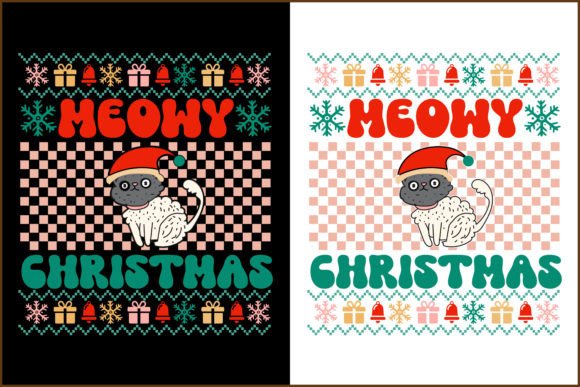
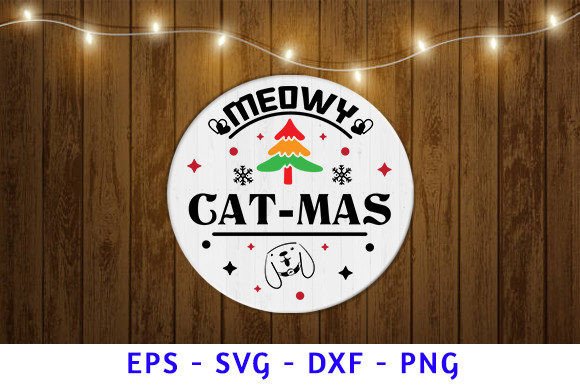
When I first opened the folder for Meowy Cat-mas - Christmas Pet Lover Svg, I wasn't just looking at a graphic; I was imagining it stitched onto a customer's holiday gift. As a designer who reviews embroidery files daily, my initial reaction is often about the mood. This design immediately screams cozy, festive, and slightly cheeky. It captures that specific winter warmth that pet owners crave during the holidays. The layout feels balanced, suggesting it will sit comfortably on a variety of surfaces without overwhelming the fabric or getting lost in the stitching.
The file package includes essential formats like SVG, PNG, EPS, and DXF, which is a relief for any serious crafter. Having these design assets ready to use with major digitizing software means you can jump straight into the creative process without wrestling with conversion issues. However, having the vector file doesn't guarantee a perfect stitch-out. That is where the real work begins. I decided to put this embroidery design through a practical test scenario to see how it holds up in the real world.
From Screen to Stitch: A Real Project Scenario
Imagine you are an Etsy seller preparing inventory for the upcoming holiday rush. You need a unique item that stands out but isn't overly complex to produce. You decide to create a custom embroidered tote bag for a client who loves cats. The Meowy Cat-mas - Christmas Pet Lover Svg seems like the perfect centerpiece. But before you thread your machine, you have to consider the physical reality of the project.
If you plan to stitch this on a canvas tote, the density of the design matters immensely. A heavy fill stitch might cause the canvas to pucker if not stabilized correctly. On the other hand, if you move this design to a soft sweatshirt for a baby shower gift, the texture changes entirely. The embroidery file needs to be forgiving enough to handle the stretch of knit fabrics while maintaining its crisp edges. My experience suggests that designs with fine details, like whiskers or small text, require careful attention to stitch density. If the density is too high, the fabric can become stiff and lose its drape, ruining the look of a comfortable holiday outfit.
Another common use case for this type of graphics category item is creating personalized patches or aprons for a boutique kitchen line. In this context, the visual appeal is paramount. The contrast between the thread colors and the background fabric will determine whether the cat looks playful or muddy. Testing the design in black and white mockups is a crucial step here. It helps you visualize how the different elements of the Meowy Cat-mas - Christmas Pet Lover Svg will interact when color is removed from the equation. If the shapes don't hold their identity in grayscale, they might struggle in certain lighting conditions on the finished product.
Navigating Fabric Challenges and Limitations
Not every surface is created equal, and knowing where to apply caution is what separates a hobbyist from a professional. While this design works beautifully on standard cottons and polycotton blends, there are scenarios where you should proceed with care. For instance, attempting to stitch this on a thin, stretchy jersey fabric without a strong cut-away stabilizer could lead to distortion. The curves of the cat's ears or the holiday text might warp, making the finished product look unprofessional.
Curved surfaces like baseball caps present another challenge. While many machine embroidery design files include options for cap hoops, the curvature can compress the stitches differently than a flat hoop. If the design features intricate corners or tiny lettering, these areas are prone to thread breaks or skipped stitches on a curved brim. Similarly, textured fabrics like bouclé or heavy fleece can hide the finer details of the applique design or satin stitches. In these cases, simplifying the design or adjusting the underlay settings becomes necessary to ensure clarity.
Dark fabrics also demand a strategic approach. Unless you are using a high-contrast thread palette, the design might lack definition. A light-colored cat on a dark sweater requires a solid backing or a carefully planned applique layer to pop. If you are selling custom apparel, understanding these limitations ensures that your customers receive a high-quality item that meets their expectations. A poorly executed stitch on a dark garment can look like a mistake rather than a stylistic choice.
Technical Notes for the Practical Designer
Before you commit to a production run, there are several technical checks you must perform. First, always test the design on scrap fabric that matches your final material. This simple step reveals issues with tension, puckering, or stability that you cannot predict from a screen. Check the thread colors you intend to use against the fabric swatch. Sometimes a color that looks vibrant in digital form appears dull once stitched due to the texture of the thread itself.
Review the stitch density within the digitizing software. If the file is too dense, it may require more time to stitch and more thread, increasing your cost per unit. Conversely, if it is too sparse, the design may look patchy. Confirm the recommended hoop size for the design to ensure it fits your intended project dimensions. If you are planning to sell these as part of a craft business, efficiency is key. A design that takes 45 minutes to stitch on a small tote might eat into your profit margins compared to a faster, simpler alternative.
Don't forget to inspect the small details closely. Whiskers, eyes, and small decorative accents are the first things to fail if the needle hits a thick seam or if the stabilizer shifts. Using the proper stabilizer is non-negotiable; it provides the foundation for the entire embroidery project. Whether you choose tear-away, cut-away, or wash-away depends heavily on the fabric type and the durability required for the final item.
Impact on Brand and Customer Trust
In the world of handmade goods, presentation is everything. A well-executed holiday embroidery piece on a personalized gift builds trust and encourages repeat business. When a customer receives a shirt or a pillow cover with a clean, sharp Meowy Cat-mas - Christmas Pet Lover Svg design, they perceive value. They understand that care was taken in the creation process. This perception directly influences their willingness to pay a premium price and recommend your shop to others.
Conversely, a sloppy stitch job can damage your reputation quickly. Even if the digital file is perfect, poor execution can make a small shop product look mass-produced or low quality. By taking the time to optimize the digital embroidery file for your specific machine and fabric, you elevate the entire brand. This attention to detail is what turns a casual buyer into a loyal fan.
For those considering commercial use, remember to verify the licensing terms associated with the Embroidery File. Some licenses allow for unlimited sales of finished items, while others restrict the number of units or require attribution. Ensuring you are compliant protects your commercial embroidery venture from legal issues down the road. Always read the fine print before listing your products on platforms like Etsy or at craft fairs.
Ultimately, the Meowy Cat-mas - Christmas Pet Lover Svg offers a versatile starting point for a wide range of projects. From nursery decor to boutique branding, its charm is evident. However, success lies in the hands of the maker. By testing thoroughly, respecting the limitations of the materials, and focusing on stitch quality, you can transform a simple digital download into a cherished heirloom. Whether you are a seasoned pro or a new Etsy seller, treating every stitch with intention is the secret to creating memorable handmade products.